Potash (potassium chloride, or KCl), an essential nutrient for crop nutrition, is the most highly valued and widely used potassium fertilizer in the world, delivering the nutrient to the crop efficiently.
ICL’s potash fertilizers are superb sources of potassium, produced at our environmentally friendly production sites. Our unique Dead Sea production site uses a natural evaporation process to produce potash. This process enables us to manufacture premium, high-quality potash fertilizers with a significantly lower carbon footprint than alternative products.
For organic producers, there is more good news. ICL’s potash fertilizers are approved as inputs for organic farming under European regulation EU 2018/848, with FiBL, ECOCERT, and INTERECO all providing organic certification.
In addition, ICL’s professional agronomic and technical teams are on hand to provide our customers with advice and support to ensure optimum potassium nutrition.
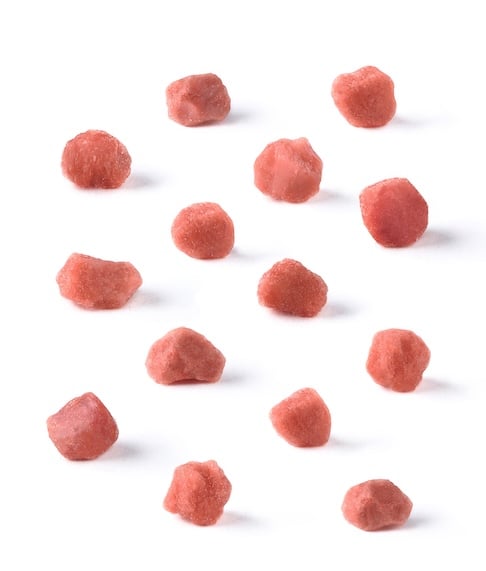

ICL’s Granular Potash is a high-quality, concentrated, low carbon footprint, potassium source suitable for broadcast or banded application. ICL Granular Potash can also be bulk-blended with other fertilizers to create different NPK formulations.
Discover informative resources and insights
This brand is suitable for all types of crops, such as:
Everything you need to know about alfalfa fertilization, best practice, suitable products, field trials and more.
Everything you need to know about maize fertilization, best practice, suitable products, field trials and more.
Frequently asked questions we received from farmers.
Potash is potassium chloride, with the chemical formula KCl. Potash is also known as MOP (Muriate of potash).
Potash is KCl, containing 50% K (60% K2O) and 45% Cl (chloride). The other 5% is made up of impurities such as CaCl2 and NaCl.
Chloride is a micronutrient. The importance of chloride is frequently overlooked, but it is an essential nutrient for plant growth. Research has demonstrated that many crops respond favorably to chloride applications with greater yield and quality. Like any fertilizer, salt-induced damage can result if large amounts are placed in close proximity to seeds or seedlings. Avoid using potash in saline soils and/or saline irrigation water, also in some sensitive crops.
Potassium chloride is the most widely applied K fertilizer because of its relatively low cost and because it includes more K than other K fertilizers.
KCl can vary in color from deep red to white, the color coming from contamination with minor amounts of iron oxides that are occluded in the crystals of the sylvinite ores. KCl derived from brines or from solution mining is white. There is no difference in the behavior of the red and white forms in the soil.


 Whatsapp
  X
X  Mail
Mail  Copy link