Whatsapp
  X
X  Mail
Mail  Copy link
 Seed treatments play a vital role in modern agriculture. For crops grown from seed, ensuring successful germination and robust early growth is essential to achieving the crop’s full yield potential. Applying seed treatments before sowing can equip them with the tools they need to:
- resists pests and diseases,
- reduce competition from weeds, and
- improve early crop growth.
What do Seed Treatments Do?
Seed treatments offer a range of benefits, protecting and nurturing seeds during the critical early stages of plant development. Depending on the formulation applied, they can provide one or more of the following benefits to crops:
Protection from Pests
Seed treatments may contain insecticides and fungicides that protect seeds and emerging seedlings from insects and soil-borne diseases, reducing early-stage losses.
Disease Control
Seed treatments containing antifungal agents fight soil-borne pathogens, such as fungi and bacteria, helping prevent infection and improve the overall health of plants.
Stimulation of Early Growth
Some seed treatments may include nutrients, growth regulators, or biostimulants that encourage strong root formation, efficient nutrient uptake, and rapid and healthy establishment.
Weed Management
Seed treatments may incorporate herbicides or inhibitors that suppress nearby weed growth, reducing competition for nutrients, sunlight, and water.
Biological Biofertilizers
Applying beneficial microorganisms directly to seeds is an effective way to enhance plant resilience. These microorganisms improve tolerance to abiotic stress, regulate phytohormone production, and enhance nutrient availability by improving nitrogen (N) fixing nitrogen, solubilizing phosphorus (P), and mobilizing key micronutrients such as copper (Cu), zinc (Zn), and iron (Fe).
Do Seed Treatments Improve Yields?
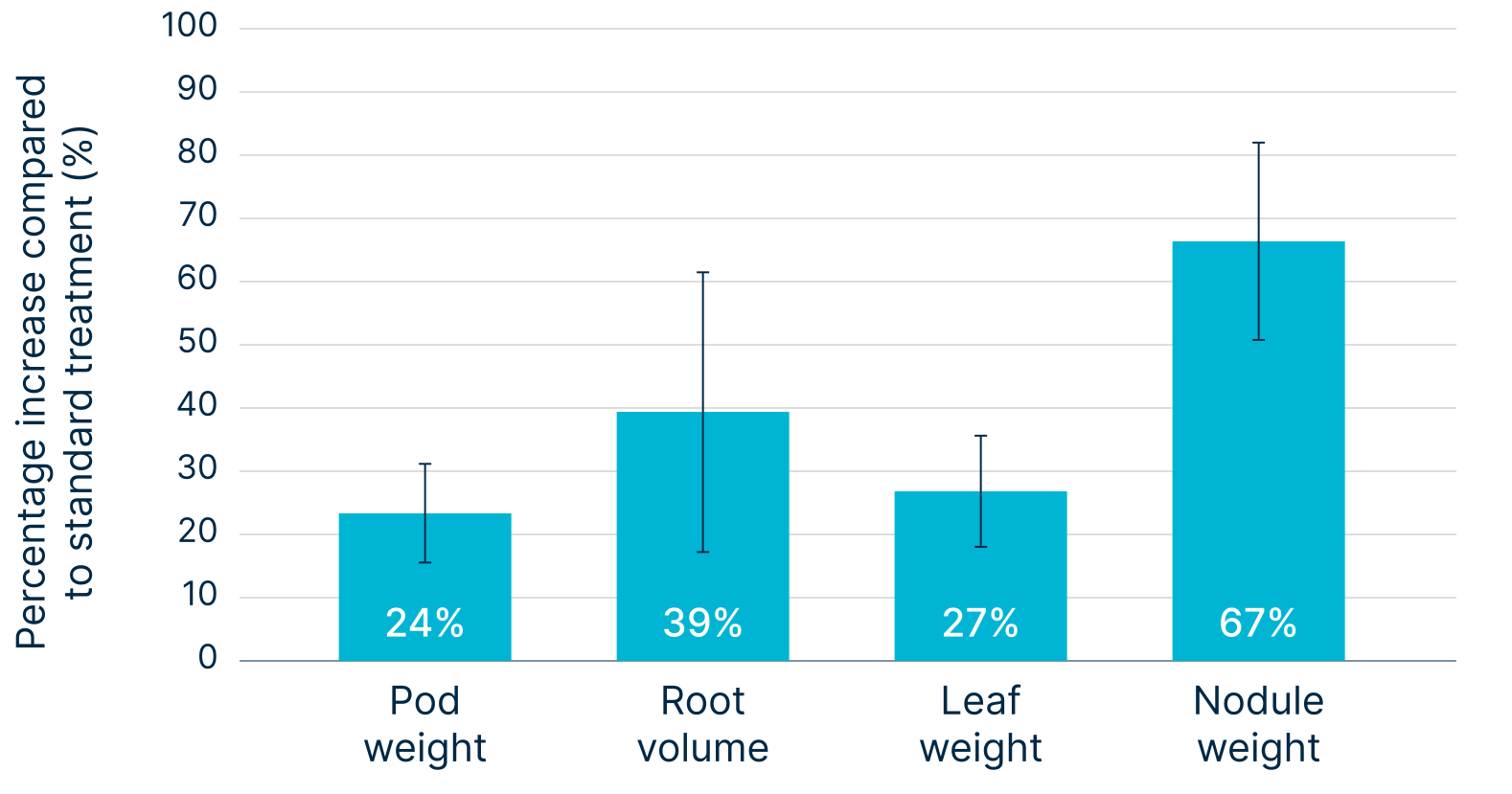
A series of trials in Brazil have clearly demonstrated the potential of seed treatments to improve crop yields. These demonstrations used a “buried box” methodology, in which plastic crates were buried just below the soil surface in adjacent plots. Crops were grown in the plots as usual, allowing direct comparison between untreated seeds, standard treatments, and ICL’s seed treatments.
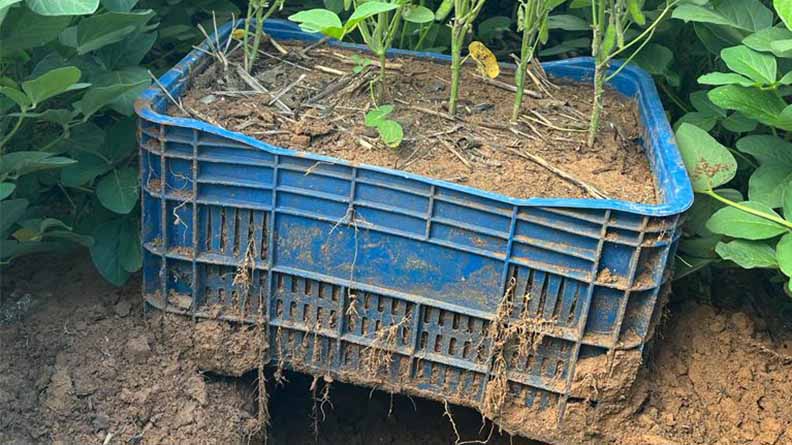
Once the crops were mature, the plastic crates can be lifted from the soil allowing simple comparisons of the entire root systems between the treatments. The differences were striking.
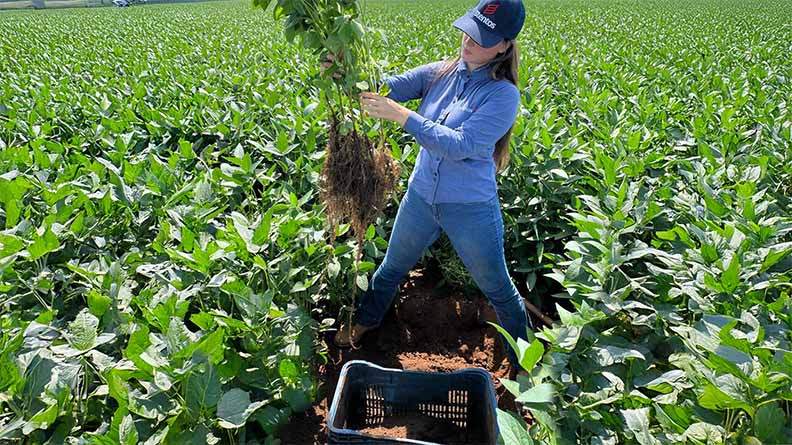
One grower initially doubted that seed treatments would make a difference. But when he saw how the treatments increased the root mass, and the root nodule density, as well as seeing the increase in yield, it was clear the positive impact the seed treatments had on the soybean and bean crops.
What Seed Treatments are Available for Soybeans and Beans
Soybeans and beans represent a major share of global crop production, with soybeans among the world’s most widely grown crops. ICL’s BIOZ Topaz seed treatment is designed to improve the performance of soybean and bean legume crops from the very start
BIOZ Topaz brings multiple benefits to enhance the initial growth of crops and provide benefits that endure as the crops mature. Right from seed germination, BIOZ Topaz improves nitrogen absorption efficiency. Crops develop deeper, more extensive root systems that improve drought tolerance and the efficiency of nutrient uptake. Topaz also supports the establishment of nitrogen-fixing bacteria, thanks to its ideal pH. Together, these features help improving biological nitrogen fixation and increase productivity and crop yield in soybean and bean crops.
What Seed Treatments are Available for Grass Crops
Cereal crops such as wheat, maize, barley, and rice are staple foods for a large proportion of the world’s population, essential for both human and animal consumption. ICL’s BIOZ Sunstone is a seed treatment developed by ICL for grass crops to strengthen seed vigor and optimize early development and overall performance.
BIOZ Sunstone enhances nutrient uptake and helps seeds and young plants withstand biotic and abiotic stresses, including pest attacks and unfavorable environmental conditions. The result is healthier, more resilient plants that establish quickly, and support higher yields and better crop quality.
Does it Matter How Seed Treatments are Applied?
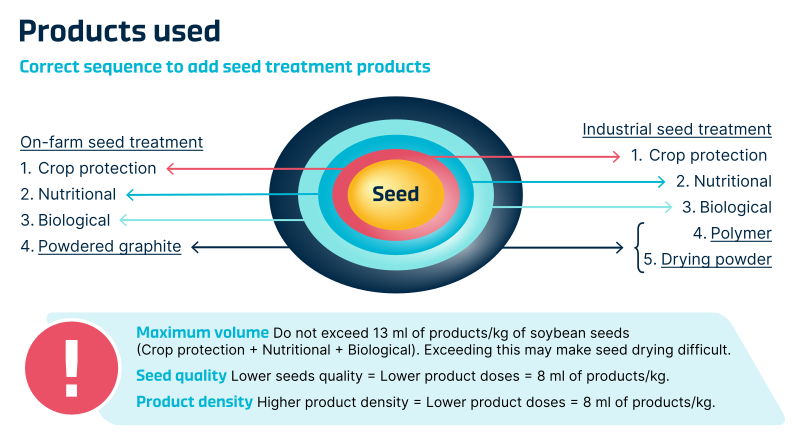
The method of application is critical to ensure seed treatments deliver their full benefits. Treatments should be applied evenly so that each seed receives the correct dose, and the order and type of treatment is also important, although it will differ slightly depending if the treatments are applied on-farm or in an industrial facility.
How do Seed Treatments Contribute to Agricultural Productivity?
Seed treatments play a key role in protecting seeds, promoting early plant growth, and managing pest, diseases, and weed risks. By choosing the right seed treatment, growers can ensure healthy crop establishment, reduce risks, and increase crop productivity in every field.
1 Brand found

Unlock the potential of your crops with Bioz®
Excerpts are optional hand-crafted summaries of your content that can be used in your theme. Learn more about manual excerpts. Excerpts are optional hand-crafted summaries of your content that can be used in your theme. Learn more about manual excerpts.
View Brand4 Products found