


 Whatsapp
  X
X  Linkedin
  Mail
Mail  Copy link
 How to Ensure Optimum Growth and Profitability in Nursery Production
Maximize Your Wholesale Price: Learn the one crucial fertilizer application change that boosts quality and reduces your biggest nursery cost - labour.
On this page:
How to Ensure Optimum Growth and Profitability in Nursery Production
The nursery industry faces a constant dilemma: “How can I save money without compromising quality?” With input costs continually on the rise and customers showing resistance to price increases, the challenge is real. But the answer isn’t always about cutting costs—it’s about making smarter, targeted choices that improve efficiency and, maintain product quality.
Quality Drives Profitability
The price you achieve for your crop is directly tied to its quality. Cutting corners on vital inputs like growing media, fertilizers, or young plants might be a cost-saving measure in the short term, but it often leads to lower-quality outcomes. Conversely lower quality undermines your ability to raise prices and can seriously hurt your market reputation and long-term profitability.
Labour: Your Biggest Cost
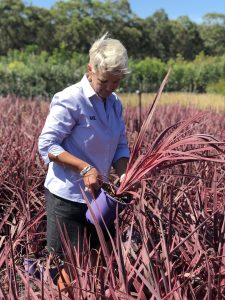
In nursery production, labour is the most significant input cost. Improving operational and production efficiency is the key to profitability. For example, if a fertilizer fails to deliver its stated longevity or requires mid-crop topdressing, you’re forced to spend more time and money on labour—without improving results.
Five Simple Steps to Improve Production
To optimize growth and maximize your bottom line, focus on these five critical areas:
- Start with the best genetics and clean starter plants
Healthy, disease-free plants with strong genetics are the foundation of a successful, profitable crop. Don’t compromise on the quality of your young plants. - Understand your crop’s growth timeline
Knowing how long each variety takes to reach marketable size allows you to plan inputs and labour more effectively. Use the correct Osmocote longevity to suit the crop. - Choose the right fertilizer such as Osmocote® 5
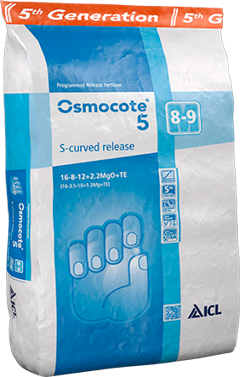
A high-performance Controlled Release Fertilizer (CRF) such as Osmocote® 5 features an S-curve release pattern, making it safe for dibble application and highly adaptable to different crop needs. Trials show that dibble application of CRF outperforms incorporation into the media, leading to better plant performance and reduced labour. - Use media with effective wetting agents
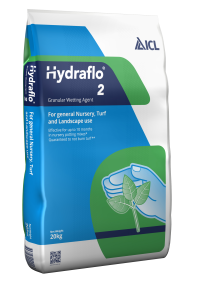
Work closely with your media supplier to ensure your mix includes effective levels of wetting agent, such as Hydraflo® 2 at 2 kg/m³. This is vital for improving water distribution, ensuring uniform moisture, and fostering optimal root development. Crops longer than 6 months should be treated with Hydraflo L. - Avoid topdressing
Topdressing is labour-intensive, environmentally unfriendly, and unnecessary when using the correct longevity of a high-quality CRF such as Osmocote® 5. Eliminate the need of topdressing to save time and reduce waste.
Media matters for root establishment
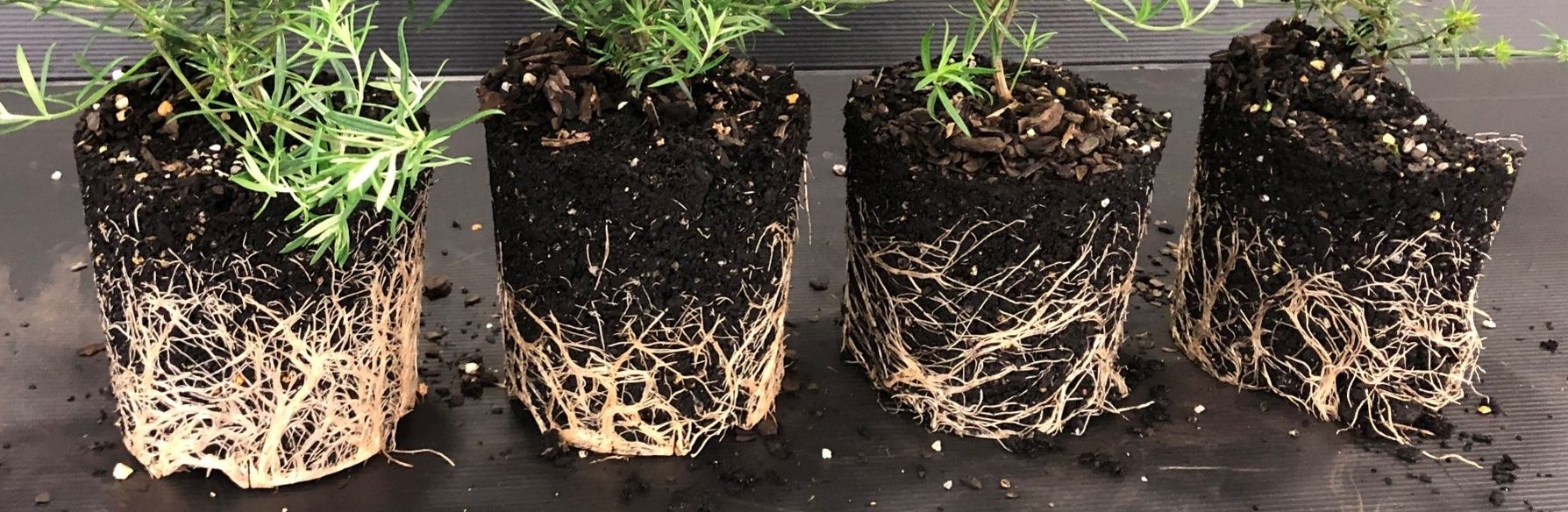
Work closely with your media supplier to ensure the overall structural integrity of your mix is maintained throughout the crop cycle. Including components like Hydraflo® and Micromax® Premium will ensure optimal nutrient availability and provide the best possible environment for robust root establishment.
Efficiency = Profitability
Dibble application of Osmocote® 5 has been proven to produce higher-quality plants with less labour. By focusing on efficiency and quality, nursery growers can maintain profitability—even in challenging economic conditions.


Dibble or inclusion at nursery has many advantages.
- Adjust fertilizer rate per species
- Vary fertilizer product per crop where needed: Hi-K, Standard or low P
- Simplify potting mix deliveries and receive larger loads
- Reduce weeds (fertilizer not on surface = less weed growth)
- No risk of fertilizer releasing during storage of media
Examples of dibbling.
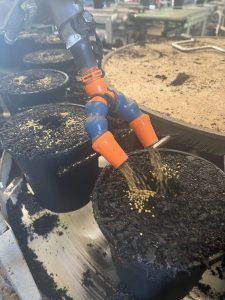
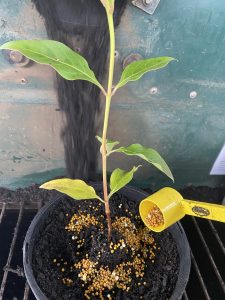
The team at ICL are trained to assist in improving your productivity. Please contact the team 🙋♀️🙋♂️if you would like to look to improve the productivity of your nursery.
*Consider every species has a different ‘optimum’ nutrition. For most species dibbling would give the flexibility to adjust product type and rate to give a better result. Please contact your ICL advisor for plant-specific recommendations or before changing your practice.



Our knowledge
Tips & tricks, disease prevention, crop and market related information
Explore our knowledge