


 Whatsapp
  X
X  Mail
Mail  Copy link
 Greenhouse lessons for autonomous cultivation in tree nurseries
Autonomous cultivation holds great promise, even for tree growers who operate outdoors. Think of optimizing irrigation and fertilization, saving time, and reducing risks. Yet, it’s far from standard practice in the sector.
On this page:
According to Stef Maree, researcher at Wageningen University & Research (WUR), there is plenty of potential, as long as growers start small and make smart use of existing technologies. “You don’t need to dive into AI right away. Start by collecting crop data. That alone can quickly reveal areas for improvement.”
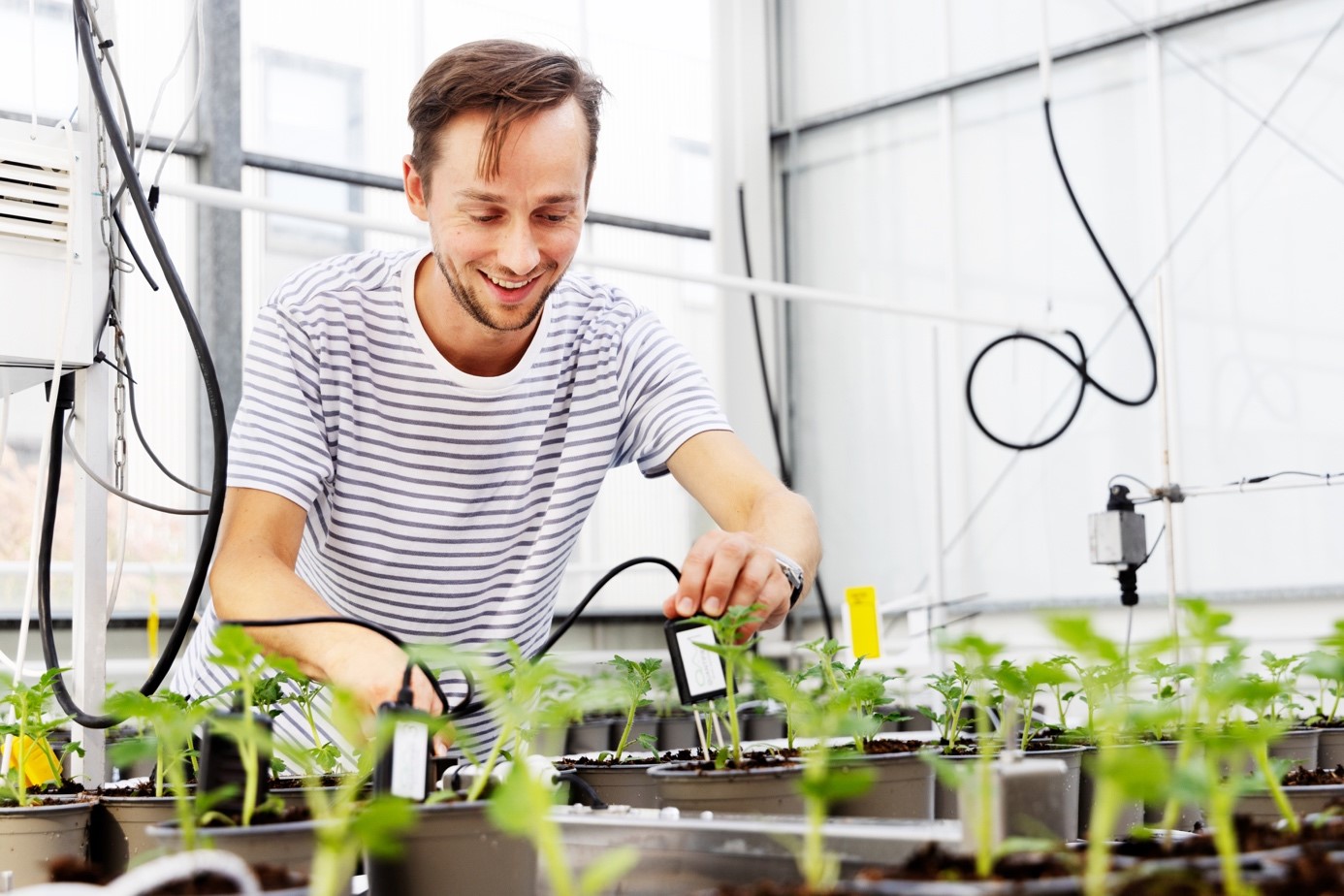
Stef Maree, Researcher at Wageningen University & Research. Photo: Fotostudio Vlekke.
Greenhouse Inspiration: The Autonomous Greenhouse Challenge
The greenhouse vegetable sector has made significant progress in autonomous cultivation over the past few years. One standout example is the Autonomous Greenhouse Challenge. In this competition, international teams develop software, often powered by Artificial Intelligence, to remotely manage crop production in a WUR greenhouse in Bleiswijk. Participants are not allowed inside; everything is controlled from a distance. “They can’t enter the greenhouse—all actions must be taken remotely,” Stef explains. He is closely involved with the project as a WUR researcher.
With four editions completed, the challenge has accelerated progress in autonomous cultivation. “We’ve come a long way in managing the greenhouse climate autonomously,” says Stef. “We know what the optimal climate is and which plant characteristics to measure in order to maintain control. But autonomous steering only works if everything goes according to plan. Fine-tuning is still needed, as crops don’t always behave the same way and conditions can change. There’s still work to be done.”
Fewer Control Options Outdoors
According to Stef, there are key differences between autonomous cultivation in greenhouses and in open fields. The main one: greenhouses offer precise climate control. It’s also easier to gather data, thanks to widespread use of sensors. “Outdoors, that’s more challenging. You simply have fewer control levers. In summer, for example, you can’t lower the outside temperature. You can only adjust irrigation and fertilization. In greenhouses, you can analyze drain water to monitor nutrient uptake—something that’s harder to do with field crops. Plus, it’s more difficult to measure crops with sensors outdoors. All this limits data availability, which makes implementing autonomous systems more complex. At the same time, outdoor cultivation also brings new opportunities. Growers often work with larger areas, which allows for the use of drones or satellite imagery to gather insights.”
AI-Powered Irrigation Forecasting
Still, autonomous growing is already proving valuable for outdoor nurseries. For example, the European PLANtAR project, featuring WUR as a partner, tested AI-based irrigation forecasting. “We used sensors to measure substrate moisture levels in container-grown nursery crops. We then explored whether we could use this data, combined with weather forecasts and radiation predictions, to autonomously steer irrigation. The results were promising. However, it was sometimes difficult to integrate different data-generating systems, as they came from various suppliers and weren’t aligned. That’s a challenge that still needs solving.”
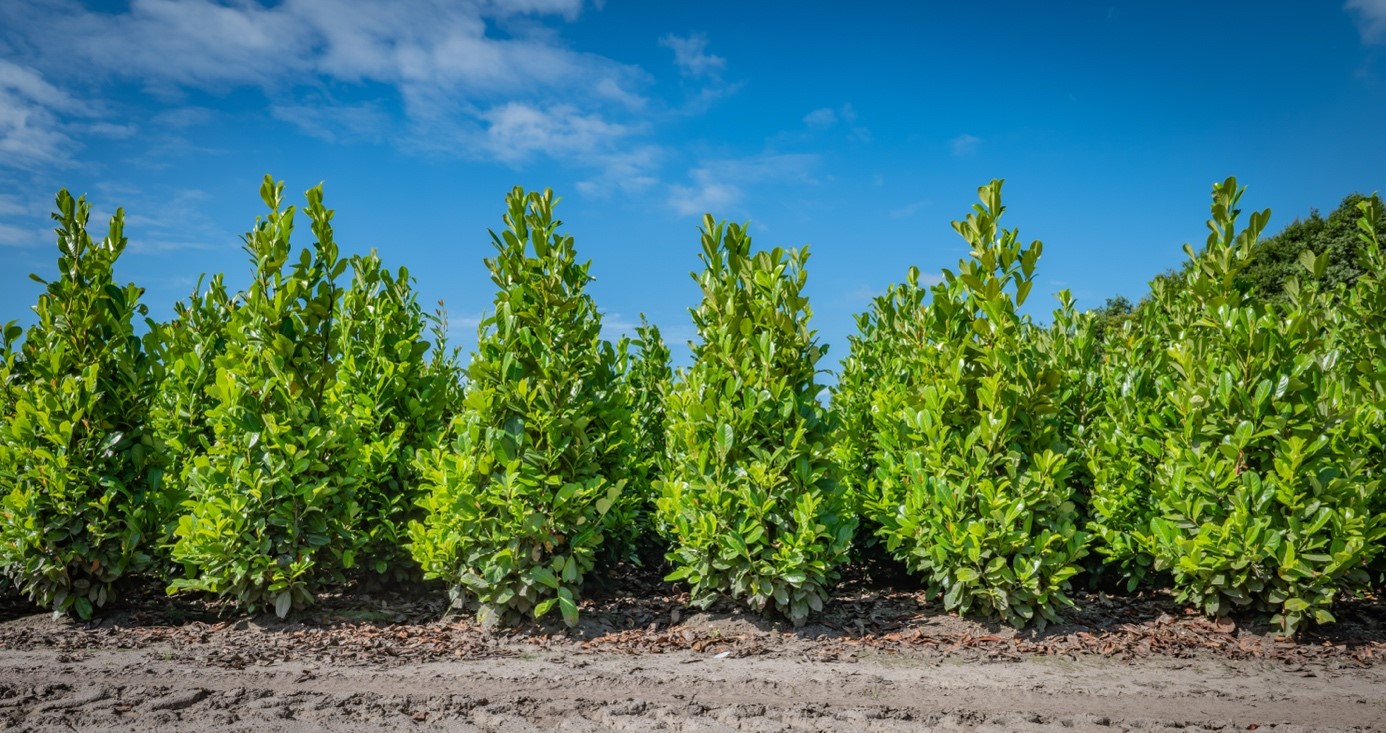
Field grown nursery
Where to Start as a Tree Grower?
Autonomous cultivation clearly presents opportunities, even for outdoor growers. But where to begin? Stef recommends starting by experimenting with crop data collection, manually or with sensors. “Even just organizing your data can quickly show where bottlenecks are and where autonomous growing could add value. You might discover that water or nutrient availability isn’t optimal at key times. With this data, it becomes easier to implement AI models for predictive irrigation and fertilization. That said, growers themselves likely won’t be building those AI models, specialist partners will.”
Stef is confident that more data-driven tools will become available for open-field cultivation. “These tools will help growers reduce risks and take crop performance to the next level. In that journey, greenhouse cultivation offers a valuable learning path for tree nurseries operating outdoors.”
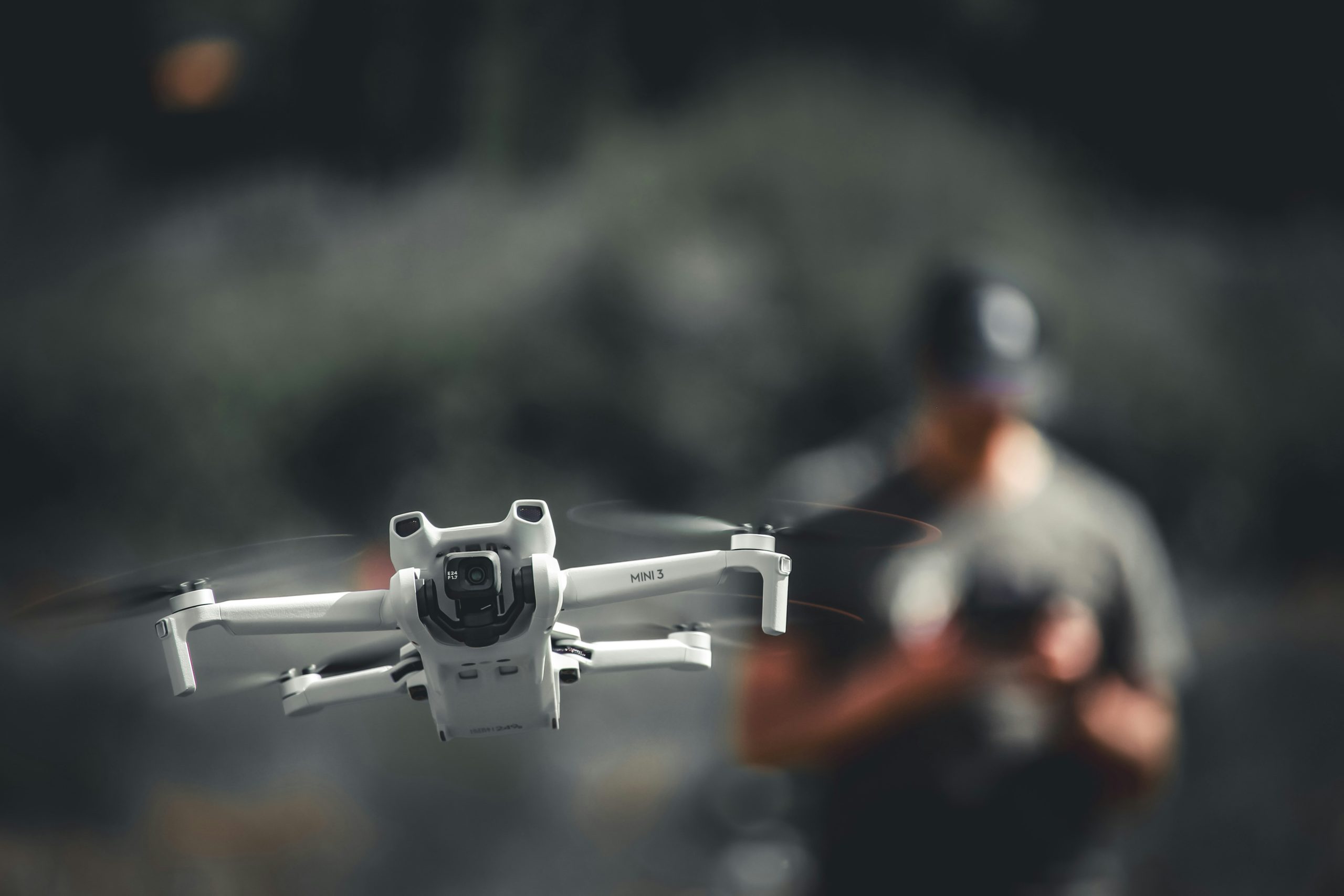
Field grown nurseries with large outdoor areas allows for the use of drones.

Our knowledge
Tips & tricks, disease prevention, crop and market related information
Explore our knowledge